
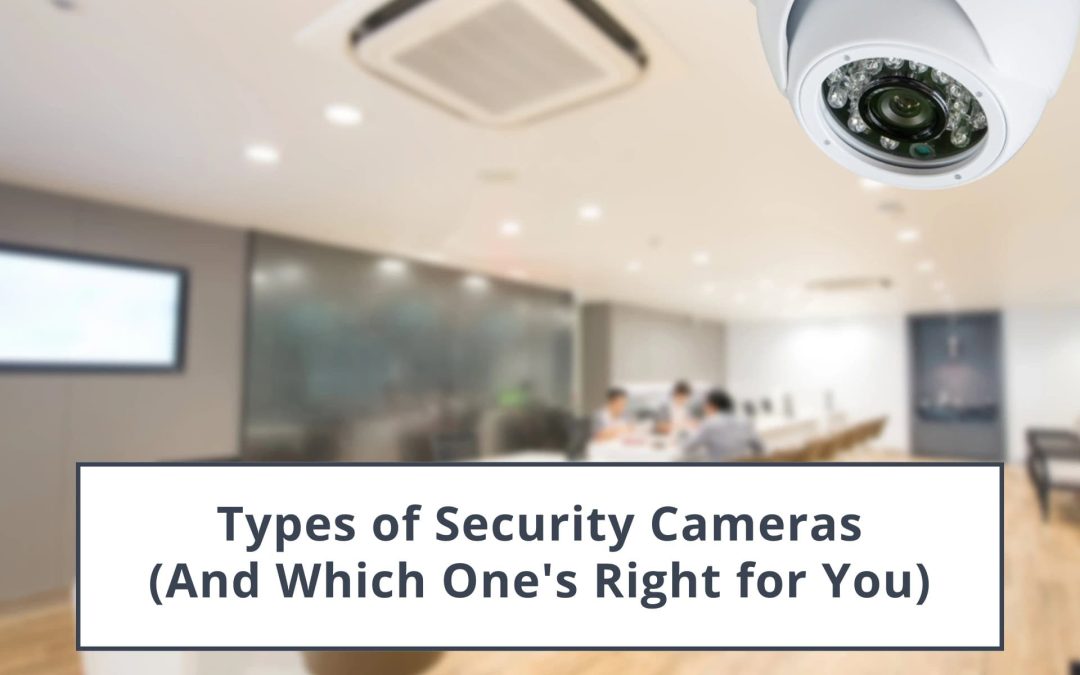
There are different types of security camera systems on the market. Although wired vs. wireless and indoor vs. outdoor are two main types, there are other factors to look out for when selecting a system for your property.
Security cameras not only deter crime or intruders, but they also provide irrefutable video evidence should anything go south.
This guide is your all-in-one resource on the types of security cameras out there. We’ll discuss all the important ones, helping you decide on the one that’s most suited to your property’s security needs.
Let’s dive in.
Why is Understanding Security Camera Types Important?
Choosing the right type of security system, whether it’s for your home or business, is all about the features on offer, durability, and how that system fits into your overall security goals.
Matching the Right Camera to Your Needs
Understanding your property’s needs is step one. A homeowner might just need one or two wide-range security cameras, whereas a retail store may need dozens of them with high-resolution footage.
Impact on Security, Budget, and Installation
When you know what you need, you don’t spend on unnecessary features, raising overall costs. Some systems are plug-and-play, while others require professional expertise for installation. Similarly, some store footage on the cloud while others do it locally.
Core Categories of Security Cameras
Let’s discuss the main categories of security cameras for Houston homeowners and business owners.
Wired vs. Wireless Security Cameras
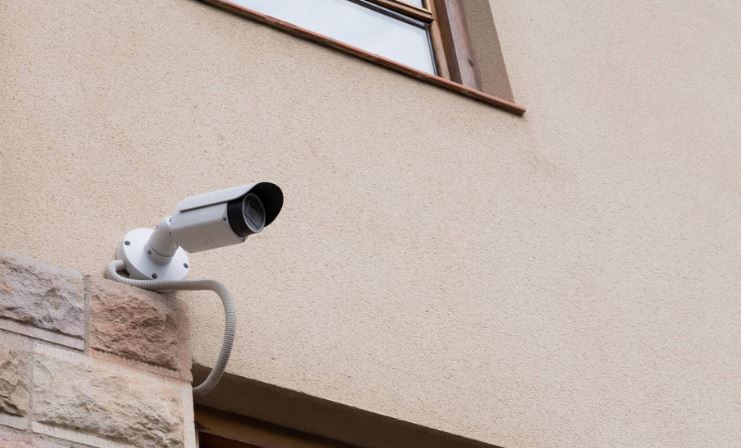
As the name suggests, wired cameras connect directly to your router or device. They’re ideal if you need a permanent setup, as they’re less likely to lose signal and provide a more stable connection.
Wireless security systems, on the other hand, connect over Wi-Fi, which makes them:
- Easy to install
- Easy to move
However, they’re more likely to lose signal as compared to the wired systems, especially in areas with weak signals.
Indoor vs. Outdoor Security Cameras
Indoor cameras are designed for monitoring interiors; they’re not built to resist the weather and lack features like night vision and waterproofing.
Outdoor cameras can withstand the elements and usually have the features that make them a suitable option for outdoor use.
Overview of Common Types of Security Cameras
Let’s briefly discuss different types of security cameras, mostly based on their shapes and/or features.
Bullet Cameras
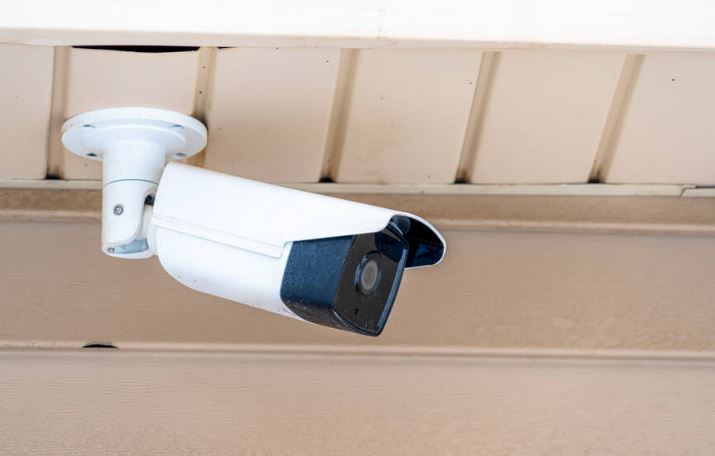
These are long, tube-shaped cameras. You’ll usually see them on walls or ceilings. Bullet cameras are easy to spot, making them a good deterrent for intruders.
Driveways and backyards are ideal places for bullet cameras as they provide a fixed field of view.
Dome Cameras
Round and compact in shape, dome cameras are common in retail and commercial environments. They offer a wide field of view and gel in well with the surroundings, making them discreet.
PTZ (Pan-Tilt-Zoom) Cameras
You can rotate, tilt, and zoom a PTZ camera remotely, which makes it ideal for monitoring large spaces like car lots and warehouses. However, the additional features come at a higher cost.
Turret Cameras
The design of a turret camera looks like a cross between a dome and a bullet camera. They don’t have a protective glass dome, which means no glare.
As compared to the dome design, they’re a bit less discreet. Both home and business owners can use turret cameras.
Box Cameras
Box cameras are large and noticeable and are often used in industrial settings. The lenses on these cameras are interchangeable.
While they’re effective, the large design doesn’t make them ideal for residential or discreet use cases.
Fisheye Cameras
These capture a super-wide view, often 360 degrees from a single point. Ideal for open, indoor areas like retail stores, fisheye cameras don’t have any blind spots. However, the image quality may suffer at the edges.
Hidden Cameras
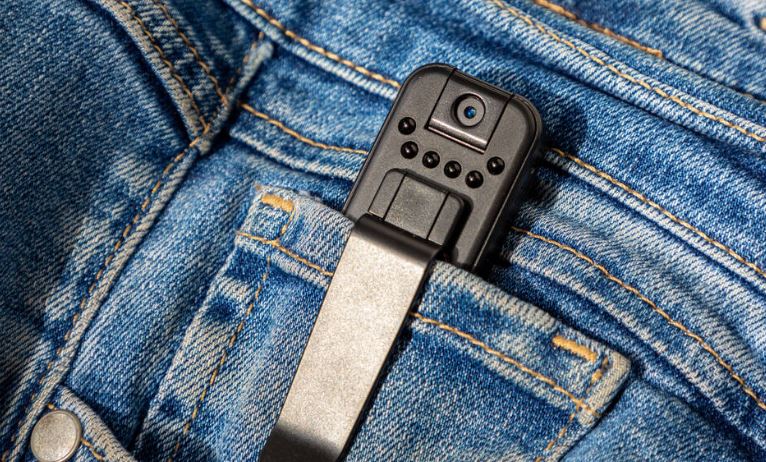
These are obtrusive and often disguised as day-to-day items, such as clocks and pens. Hidden cameras are ideal for discreet surveillance, but must be used legally and ethically, especially when public privacy is involved.
Choosing the Right Camera for Your Use Case
Let’s discuss the types of cameras suitable for different settings.
Best Security Cameras for Homes: For homeowners, cameras that are weatherproof, mobile-friendly, and night-vision enabled are great. Wireless cameras are a good option for DIY users.
Best Security Cameras for Businesses: Cameras that offer remote access and a wide-angle view, such as Dome, turret, or PTZ, are ideal for businesses.
Read More: Security Camera Installation DIY Guide (For Beginners)
Frequently Asked Questions
Let’s discuss some frequently asked questions related to the types of security cameras.
What is the Difference Between DVR and NVR Security Cameras?
DVR systems use coaxial cables and analog cameras; NVR security cameras use Ethernet cables and IP cameras. NVRs offer better video quality, advanced features like remote access, and are easier to install.
What are the Three Main Types of Security Cameras?
The three main (Or popular) types of cameras are dome, bullet, and PTZ. Dome cameras offer a wide view, bullet cameras focus on certain areas, and PTZ cameras can tilt, pan, and zoom.
Is It Better to Have Wired or Wireless Security Cameras?
Depends on your needs and preferences; wired cameras tend to have a stable connection, but installing them can be technical. Wireless ones are easy to install, but they may not offer a stable connection.
Do I Need Internet to Run Security Cameras?
To record footage, you don’t need the internet. Wired DVRs and some wireless ones can record videos locally. But you’ll need it for cloud storage and remote access.
Check our Google Business Profile and Customer Reviews Here.
We’re on Google Maps:
Conclusion
The fact that there are several types of security cameras makes it important for a home or business owner to understand their needs and decide accordingly.
Some business owners, for instance, just need to monitor one location, so a bullet camera is all they need. For others, like a retail store, a PTZ camera might be a better option.
A wireless system is better if you want quick installation or want to do it yourself. But keep in mind the trade-off: The connection may be unstable.
Wired systems are more technical to install. Hiring a professional makes the installation process smoother. However, they offer a stable, uninterrupted connection, making them a better long-term investment.
Related Read: Why Install Security Cameras in Your Home?