
Houston’s harsh weather and sudden changes not only test outdoor electrics, but they can also destroy them.
This is especially problematic for home and business owners who don’t take appropriate protective measures (Or install the right security cameras).
Between months of triple-digit heat indexes, suffocating humidity, sudden downpours, and storms that knock out power, outdoor cameras in Houston often live a hard life.
Here’s the problem: Not all cameras are designed to bear this harsh weather, and over time, many of them become useless or become a headache.
If you’ve ever dealt with foggy lenses, random shutdowns, swollen batteries, or cameras that mysteriously died after one summer, this guide is for you.
Let’s dive in.
Why Houston Weather Is Brutal on Outdoor Security Cameras
Houston’s climate combines multiple stress factors that compound over time. Extreme heat alone is bad enough, but when you add UV exposure, humidity, and storm activity, outdoor cameras face constant strain.
Houston’s climate combines multiple stress factors that compound over time.
Extreme heat alone is bad enough, but when you add humidity, UV exposure, and storm activity, outdoor cameras face constant strain.
Here’s what that means for cameras:
- Heat accelerates electronic component failure
- Humidity can cause internal condensation and corrosion
- Wind-driven rain finds weak seals fast
- Storms create frequent power and network interruptions
Now, many failures don’t happen instantly. They take place slowly, which is why it’s easy to blame bad luck instead of bad design.
Key Features Outdoor Cameras Need to Survive Houston Conditions
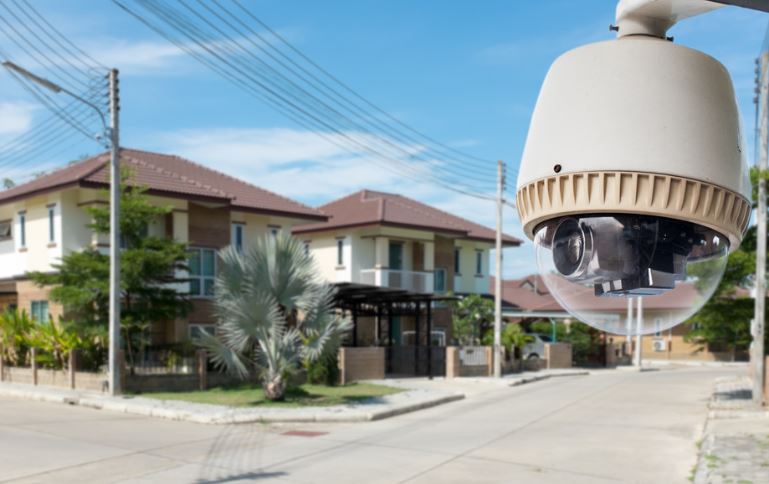
Security cameras come in different types and qualities. Some are designed for outdoor use. To survive in Houston long-term, specific features matter more than any other factor, like brand name or app reviews.
Temperature Ratings That Mean Something
Many cameras advertise “Heat resistant” without stating real operating limits. You want to look for published specs showing continuous operation above 120°F. Anything lower in Houston summers is a risk.
Proper Weather Sealing
Ingress Protection (IP) ratings aren’t marketing fluff when storms hit. Cameras rated IP66 or IP67 offer significantly better resistance to wind-driven rain and dust intrusion.
Housing Materials Matter
Plastic housings degrade under constant UV exposure. Meta or UV-stabilized polymer casings tend to last longer and hold seals more effectively.
Heat Resistance: What to Look for Beyond Marketing Claims
Here’s how excessive heat may damage cameras:
- Sensor noise and washed-out video
- Processor throttling or shutdowns
- Battery swelling or failure
- Cracked seals from thermal expansion
Battery-powered cameras are especially vulnerable. Lithium-ion batteries may degrade rapidly in Houston weather.
Wired vs Battery-Powered Cameras
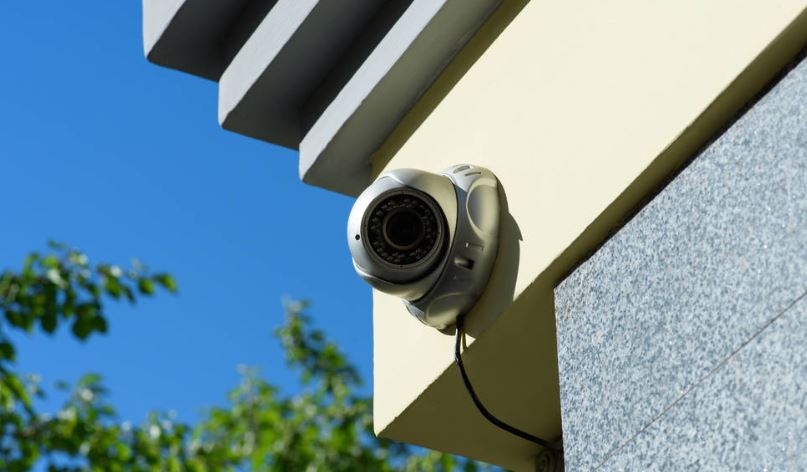
In hot climates, wired systems consistently outperform battery-powered options.
| Camera Type | Heat Tolerance | Maintenance Needs | Houston Suitability |
| Battery-Powered | Low to Moderate | High | Poor |
| Wired (AC) | High | Low | Good |
| PoE (Power over Ethernet) | Very High | Very Low | Excellent |
Storm and Flood Protection That Actually Matters
Houston storms aren’t gentle rain showers. They push water sideways, upward, and into places it shouldn’t go.
Why IP65 Often Isn’t Enough
IP65 protects against water jets, but not prolonged exposure or pressure-driven rain. During severe storms, water finds weak seams, especially around lenses and cable ports.
Cameras rated IP66 or higher provide better protection against:
- Horizontal rain
- Wind-blown debris
- Dust intrusion during dry spells
Power and Connectivity During Houston Storms
Hardwired cameras connected to a UPS can continue recording during short outages. Battery cameras often fail here, either due to limited runtime.
Wi-Fi struggles during storms due to interference and router outages. For a more consistent uptime, consider getting a PoE (Power Over Ethernet) system connected to a network switch with battery backup.
Best Installation Practices for Houston Homes
Even the most high-quality cameras can fail if installed poorly. Avoid mounting CCTV cameras where they:
- Face the direct afternoon sun
- Sit near the roof runoff paths
- Are exposed to standing water
Instead, angle your cameras to reduce glare and water contact.
| Installation Factor | Best Practice |
| Height | 8–10 feet |
| Sun Exposure | Shaded or indirect |
| Flood Risk | Above historical flood lines |
| Cable Routing | Sealed conduits |
Mindful and proper installation of cameras extends their lifespan more than most feature upgrades.
Need Professionals to Install Security Cameras at Your Property?
Get a Free Quote from Us Here!
Common Outdoor Camera Mistakes to Avoid as a Houston Property Owner
Avoid making these common mistakes to keep your security cameras effective, secure, and long-lasting.
Don’t use indoor cameras outdoors, ignore operating temperature specs, and trust “Weather-resistant” labels without checking IP ratings.
Plus, don’t mount cameras too low; it exposes your cameras to splashback during heavy rain. Going too low makes your system easier to damage and tamper with.
Recommended Outdoor Security Cameras for Houston Weather
Instead of focusing on models or brands, go with camera types that can perform well in Houston:
- PoE outdoor cameras with metal housings
- Wired cameras rated IP66 or higher
- Systems with optional local recording to avoid cloud outages
You want to avoid battery-only systems. If you have to use them, install them in a fully shaded place and protected areas.
Explore Our Google Business Profile and Customer Reviews
We’re on Google Maps:
Questions You Might Have
Can Outdoor Security Cameras Handle Houston’s Extreme Heat?
Yes, but you need to make sure the camera system has an operating temperature rating above 120°F. Heat damages sensors and batteries first, so wired cameras with proper ventilation and UV-resistant housings perform better.
What IP Rating Is Best For Houston Storms And Heavy Rain?
IP66 or higher is ideal for Houston homeowners and business owners. It can effectively protect against heavy rain, wind-driven water, and dust. Lower ratings may survive for a while, and in light rain, but they’re likely to fail during intense weather.
Are Battery-Powered Cameras Reliable In Hot Climates?
Not really. Heat shortens battery life and can cause swelling quickly. Wired or PoE cameras are more reliable and require less maintenance.
Where Should Outdoor Cameras Be Mounted In Houston Homes?
Mount cameras under eaves if possible, and angle the cameras away from direct sunlight and flood zones. Mindful placement can reduce heat exposure, prevent water intrusion, and maintain video clarity during storms.
Do Outdoor Cameras Still Record During Power Outages?
Yes, but only when they’re connected to battery backups or PoE systems that connect to a UPS. Without backup power, most cameras stop recording right when they’re hit by storms.
Final Thoughts
Outdoor security cameras serve several purposes, such as acting as deterrents for intruders and providing evidence in case something happens.
In Houston, outdoor security cameras face unique challenges; The extreme heat, humidity, and floods can render them useless or less effective.
So, choose systems built for harsh environments; it can save money and frustration down the road. Ignore the climate, and the climate will win.
Read More: Do You Need Security Cameras In Houston for Security?